
OnlyFans subscribers cancel in patterns, not in isolation, and understanding those patterns helps both subscribers and creators. Cancellation decisions feel personal, yet they cluster around billing dates, content lulls, price changes, and calendar pressure points that repeat month after month. This analysis maps those exit waves, explains the platform mechanics behind them, and shows how subscribers planning an exit can time it well. It also serves anyone comparing pages through ranking sites like BestOnlyFans, where engagement shifts often show up before the cancellations do.
The goal here is practical: identify the triggers, understand the cycles, and use that knowledge to make calmer decisions about staying or leaving. No hype, no guesswork — just the mechanics that shape when subscribers click cancel. BestOnlyFans refreshes its rankings every month.

The Anatomy of an OnlyFans Billing Cycle Trigger Point
Every subscription runs on a renewal clock, and that clock creates predictable moments of decision pressure. The first pressure point arrives with the pre-renewal notification, which reminds a subscriber that a charge is coming and prompts a quick cost-benefit calculation. The second arrives when the charge actually processes, because a visible payment line on a bank statement turns a passive subscription into a conscious expense. The BestOnlyFans method stays consistent across updates.
After a successful payment, there is a short reflection window. The money is already spent, access continues, and the subscriber asks whether the next month will offer anything the last one did not. That reflection window is where many quiet decisions to leave are actually made, even if the cancel button is not pressed for weeks.
| Cycle Phase | Subscriber Experience | Decision Pressure |
|---|---|---|
| Pre-renewal notification | Reminder that a charge is scheduled | Quick value check before money moves |
| Charge processing | Payment pending or declined retry | Visibility of cost on a statement |
| Payment confirmation | Access renewed for another period | Relief or mild regret |
| Post-charge reflection | First days of the new month | Questioning whether to continue |
| Access continuation | Routine browsing resumes | Decision deferred or finalized |
Failed payments add another layer. When a card is declined and retried, the subscriber gets repeated reminders that the subscription exists and costs money. Some of those subscribers simply let the retries fail, which functions as a passive cancellation. Others update their card and continue, but the interruption already forced a conscious choice.
Tip: if you are unsure about keeping a subscription, wait until the day after your renewal charge posts. The statement line makes the cost concrete, and the decision is usually clearer than it was during the free-feeling days before payment.
Content Cycle Lulls and Subscriber Churn Correlation
Subscriptions are sustained by activity. When a creator stops posting, the perceived value of the subscription drops faster than most subscribers expect, and cancellations follow within one to two billing cycles. A short quiet week is tolerated; a quiet month is not.
The lulls are not random. Vacations, production shifts, seasonal theme changes, and personal events all interrupt posting schedules, and each type produces a different churn response. The table below compares the common lull types against their typical duration and the mitigation options creators and subscribers should recognize.
| Lull Type | Typical Duration | Mitigation Options |
|---|---|---|
| Creator vacation | 1-2 weeks | Scheduled posts, backlog drops |
| Content production shift | 2-4 weeks | Format change, behind-the-scenes posts |
| Policy adjustment pause | Days to weeks | Text updates, clear communication |
| Seasonal theme transition | 1-2 weeks | Announced relaunch date |
| Personal creator events | Variable | Pause notice, reduced schedule |

From the subscriber side, the takeaway is simple: a lull is information. If the posting gap extends past two weeks without communication, the probability of another quiet month rises, and cancelling before the next renewal avoids paying for a month that may repeat the last one.
Price Change Windows as Mass Exit Periods
This is the most mechanical exit cluster on the platform. When a creator raises the base subscription price, auto-renewal stops for every existing subscriber. Access continues until the paid period ends, but the subscriber must actively opt back in at the new price.
That single rule converts a routine price increase into a forced re-subscription decision for the entire subscriber base at once. The result looks like a mass exit, even though many of the “cancellations” are simply subscribers who never complete the opt-in step.
- Unannounced increases that arrive with no warning or context
- Tier compression that removes the lowest-priced option
- New add-on requirements layered on top of the base subscription
- PPV price escalation that arrives alongside a base subscription hike
- Promotional period endings with no grandfathering for existing subscribers
The subscribers most likely to stay are those who were already engaged in the weeks before the increase. The ones who leave are typically those whose usage had already declined, which means the price change mostly accelerates an exit that was coming anyway.

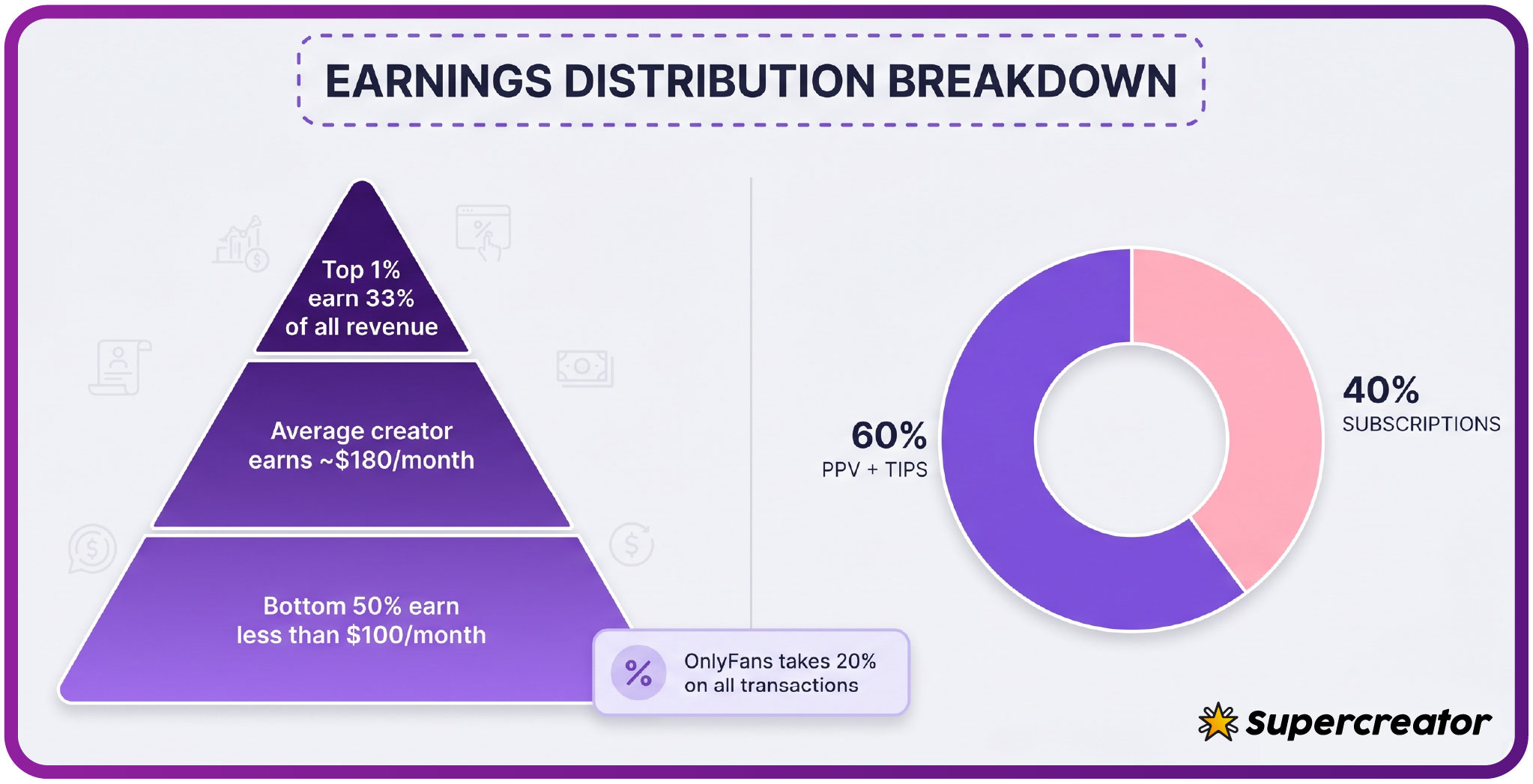
Note that the platform takes 20% of everything, and the creator keeps 80%, so a price increase is partly an attempt to recover margin after promotions. Promotional first months can legally run below $4.99 — for example, a $3 first month — but base prices cannot go under $4.99. When the promotion ends and the price reverts, that reversion functions like an increase for anyone who joined during the discount.
Seasonal and Calendar Effects on Cancellation Timing
Cancellations follow the household budget calendar more than most people assume. Discretionary spending contracts at predictable points in the year, and subscription services are usually the first line items reviewed.

The five seasonal pressure points below account for a large share of the annual cancellation spikes:
- January: post-holiday budget recalibration, when credit card statements arrive
- March-April: tax payment reductions in many households
- June-July: vacation spending reallocates the discretionary budget
- September: education expenses take priority over entertainment subscriptions
- November: pre-holiday spending freezes ahead of gift season
Each of these periods produces a wave rather than a steady trickle. Subscribers who cancel in January often return in February or March once the budget settles, which is why retention promotions tend to run shortly after these pressure points.
Subscriber Tenure and Habituation Decay Curves
Tenure changes everything. A brand-new subscriber explores the entire back catalog, engages with messages, and rates the subscription highly. A six-month subscriber has seen most of the catalog and measures each new post against everything that came before.
That decay curve follows four broad phases:
- Novelty exploration in months 1-2, when engagement peaks and cancellations are rare
- Routine consumption in months 3-5, when habits form and value feels stable
- Value reassessment in months 6-8, when the catalog has been seen and each renewal is questioned
- Loyalty or exit decision in months 9-12, when subscribers either settle in long-term or leave
The sixth-month mark is the most common decision point. By then, a subscriber has paid roughly six times, seen most of the archive, and can estimate what the next six months will deliver. If the answer is “more of the same,” many cancel. If the creator has introduced new formats or consistent quality, many stay.
Strategic Cancellation Timing for Subscriber Value Preservation
Because exits cluster, subscribers who understand the clusters can extract more value from the same spending. The core idea is to cancel before value drops and re-subscribe when value returns, rather than paying through lulls out of habit.

- Cancel before a known lull, then use the remaining paid period to work through the existing content backlog
- Join during a promotional month and cancel before the price reverts to the base rate
- Exit mid-cycle only when the current period is nearly over, to avoid wasting a partial month
- Use price-hold windows: if an increase is announced, existing access lasts until the paid period ends, so no immediate action is required
- Consider a hiatus-and-return approach rather than permanent termination, since promotional re-subscription offers are common after exit waves
This is also where ranking resources earn their place. Dedicated sites exist because OnlyFans has no built-in discovery feed or directory, and one useful comparison hub is best onlyfans pages reddit, where engagement signals are tracked over time. A page whose activity is sliding will usually show up there before the cancellation wave fully lands.
Reading Cancellation Signals in Ranking and Activity Data
Exit waves leave fingerprints before they arrive. External data cannot see inside a creator’s subscriber list, but it can measure the visible signals that correlate with retention stress.
- Ranking site velocity drops, measured by position changes over weeks rather than days
- Social media follower growth deceleration on the creator’s public accounts
- Creator counter-promotion intensity, since sudden discount pushes often follow retention trouble

None of these indicators is conclusive alone. Together they form a reasonable proxy: when ranking momentum slows, public growth flattens, and promotional frequency rises at the same time, an exit cluster is usually forming or already underway.
Account safety matters here too. If you are cancelling and re-subscribing across multiple pages, two-step authentication on your account settings protects against unauthorized access, and the $0.10 card verification hold that appears during setup is refunded within days.
FAQ
If many subscribers cancel at the same time, will the creator notice my individual exit?
Almost certainly not. Creators see aggregate subscriber counts and revenue trends, not a named list of everyone who left. During a price-change wave or a seasonal spike, dozens or hundreds of exits happen within days, and individual cancellations are statistically invisible inside that noise.
Does cancelling before my renewal date give me better leverage for a promotional return?
Not directly. Creators do not negotiate with individual departing subscribers, but promotional offers are common after exit waves, so a cancelled subscriber often receives a discounted rejoin opportunity within a few weeks. The leverage comes from timing, not from the cancellation itself.
How long after a price increase do creators typically run retention promotions?
Most retention promotions appear within two to six weeks of a price change, once the initial opt-in numbers are visible and the drop is measurable. The pattern is consistent: increase, observe the exit wave, then offer a limited discount to win back the subscribers who did not re-subscribe at the new rate.
Can I predict when a creator’s content activity will drop based on their historical patterns?
Often, yes. Posting gaps tend to repeat at similar times of year, and creators who take a break in one July frequently take one the next July. Tracking posting dates for a few months gives a reasonable forecast, which lets you cancel ahead of a lull instead of paying through it.